

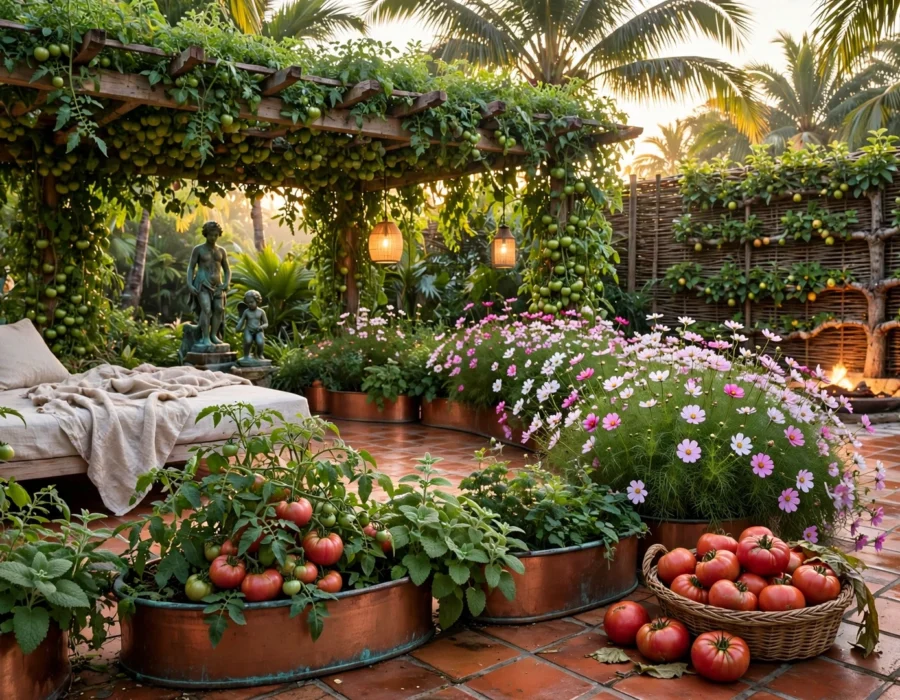
Renting a home should never stop anyone from tasting a tomato picked warm from a sunny patio pot.
For people searching for growing tomatoes renter friendly, portable pots offer a gentle path toward fresh flavor.
A small balcony can hold one sturdy plant while a bright corner holds another in a tidy row.
These ideas focus on light containers, compact plants, kind landlords, and harvests that travel when you move home.
I recommend starting with one pot in a sunny corner.
Read on for ten practical ways to grow ripe fruit in pots that fit rental life beautifully.
1. Start With a Lease Safe Pot Garden
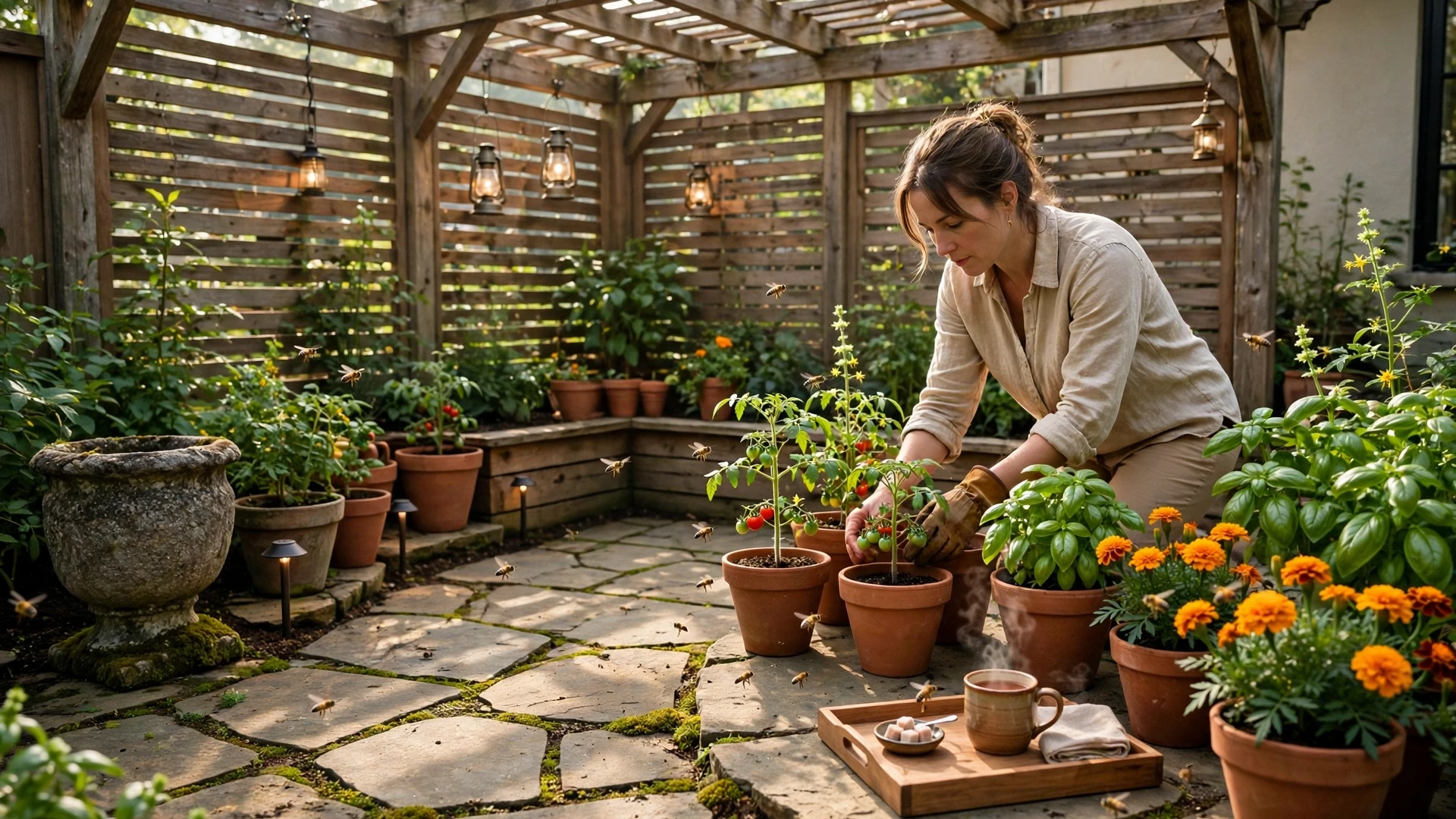
Many renters hesitate to garden because a lease can forbid digging, drilling, or permanent changes to a yard.
Pots solve that worry by sitting on a patio surface while leaving soil, walls, and fences completely untouched.
Before buying plants, I suggest reading the lease slowly and noting any rules about balconies, railings, or water use.
Sending a short friendly note to a landlord often clears up confusion and builds trust before seedlings arrive.
Choose spots that drain well after rain and keep walkways clear so neighbors can pass without stepping around containers.
Saucers under each pot catch drips, protect wooden decks, and show a landlord that care guides every choice here.
Keep the setup tidy by sweeping fallen leaves weekly and storing spare pots where they stay out of sight.
When the garden stays neat, portable, and quiet, renting and growing can share the same small outdoor space happily.
My top tip is to keep every pot light enough to lift alone.
2. Pick Compact Bush Types That Stay Small
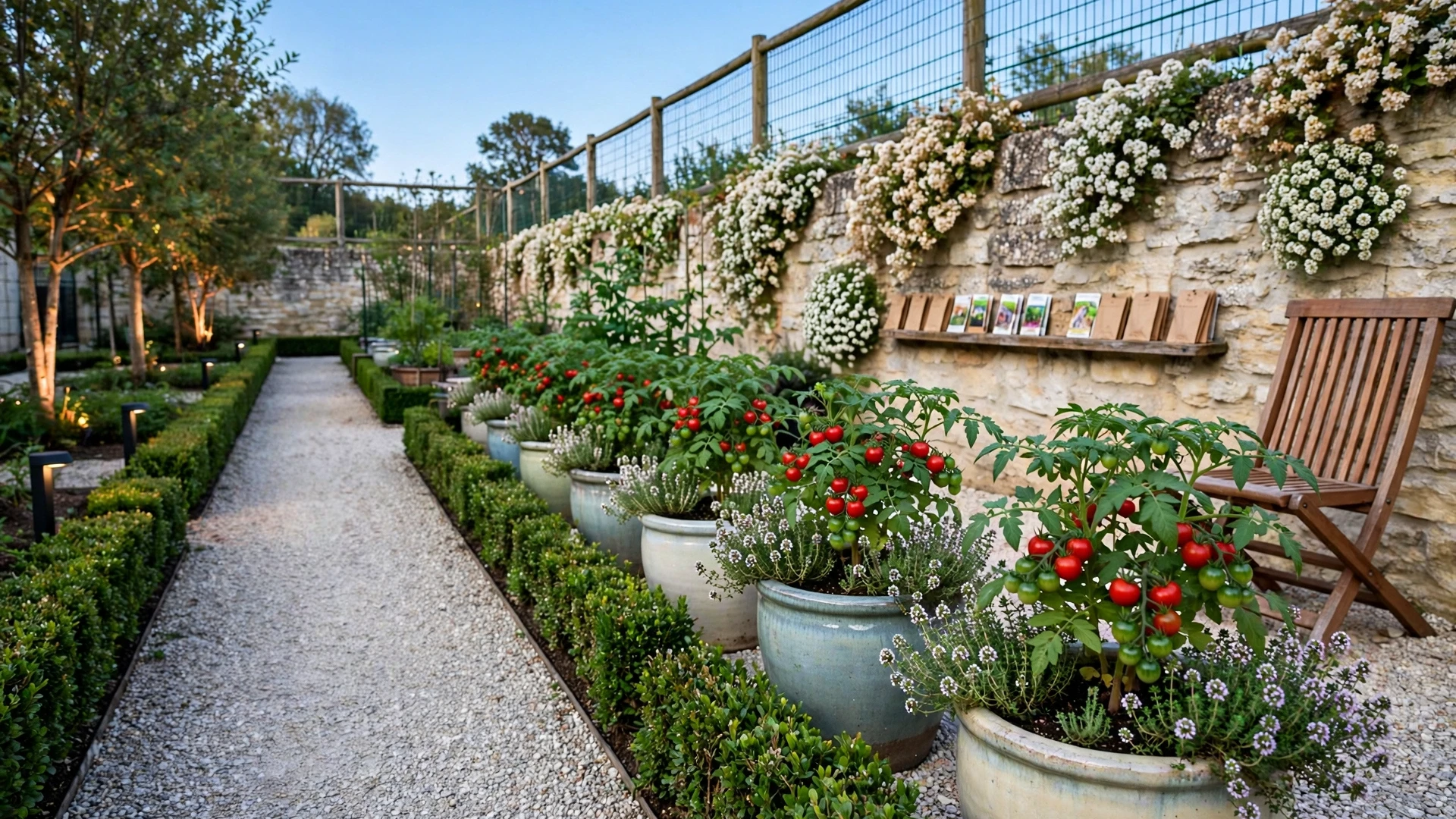
Tall vines can overwhelm a balcony quickly, so compact bush types make a kinder match for tight rental spaces.
Bush plants grow to a set height, stop, and ripen fruit in a short window that suits busy summer schedules.
Seeking clear variety advice, I turn to bush tomato guidance when choosing compact plants for a small balcony.
That guidance notes bush types reach 24 to 30 inches and may be the only option for container growing.
Cherry types ripen fast, forgive uneven care, and give steady snacks through warm weeks without demanding tall supports.
- Tiny Tim stays near 12 to 18 inches and fits a small pot on a sunny sill.
- Patio Princess grows a bit taller and still stays neat in a 3 gallon tub.
- Red Robin remains tiny, near 8 to 12 inches, and suits a rail planter or tabletop spot.
Starting with one compact plant keeps the season calm, and my own preference leans toward cherries for reliable early color.
On a sunny sill, my first pick is Tiny Tim because it stays truly tiny.
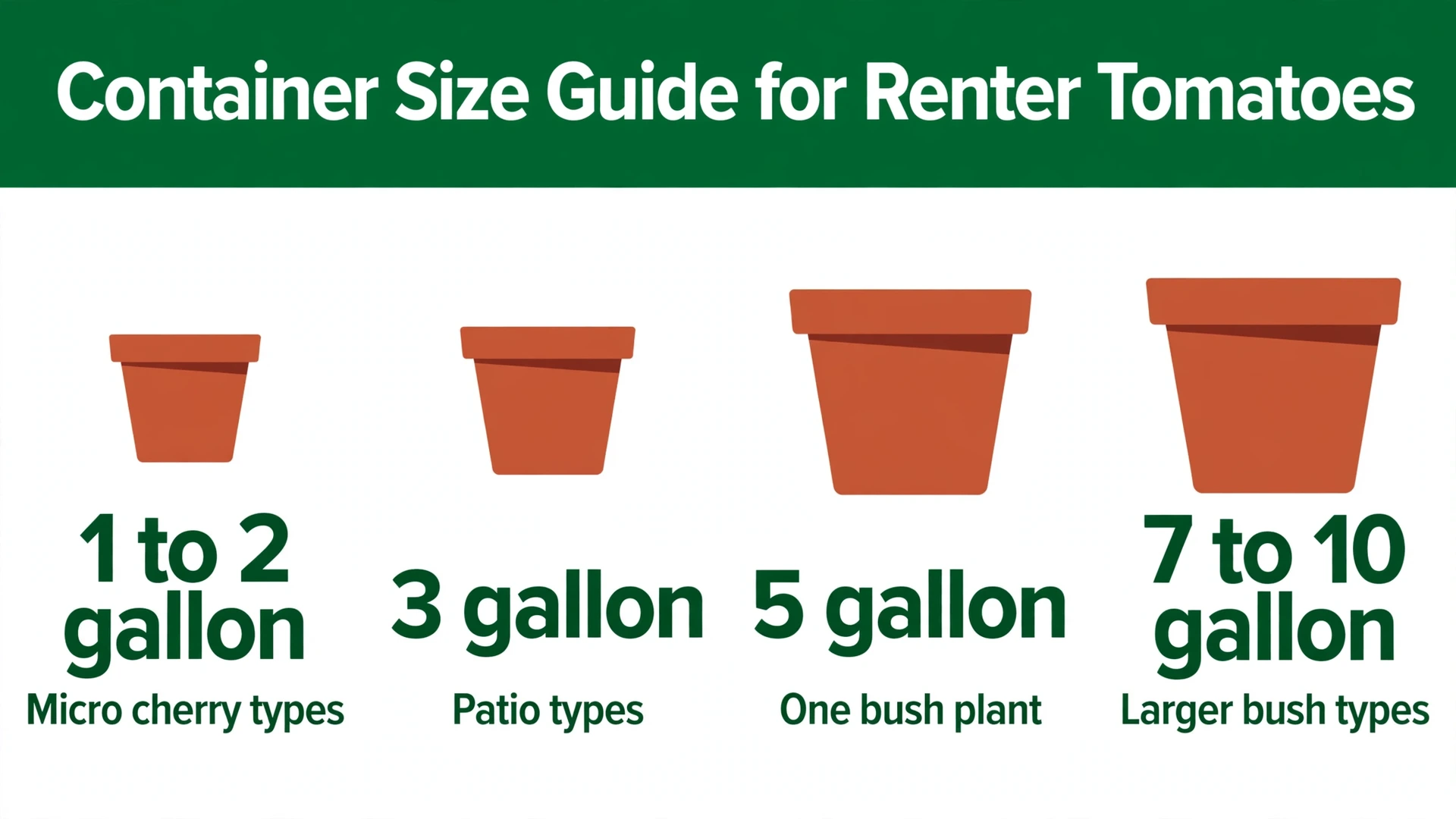
3. Choose Light Pots Sized for Strong Roots
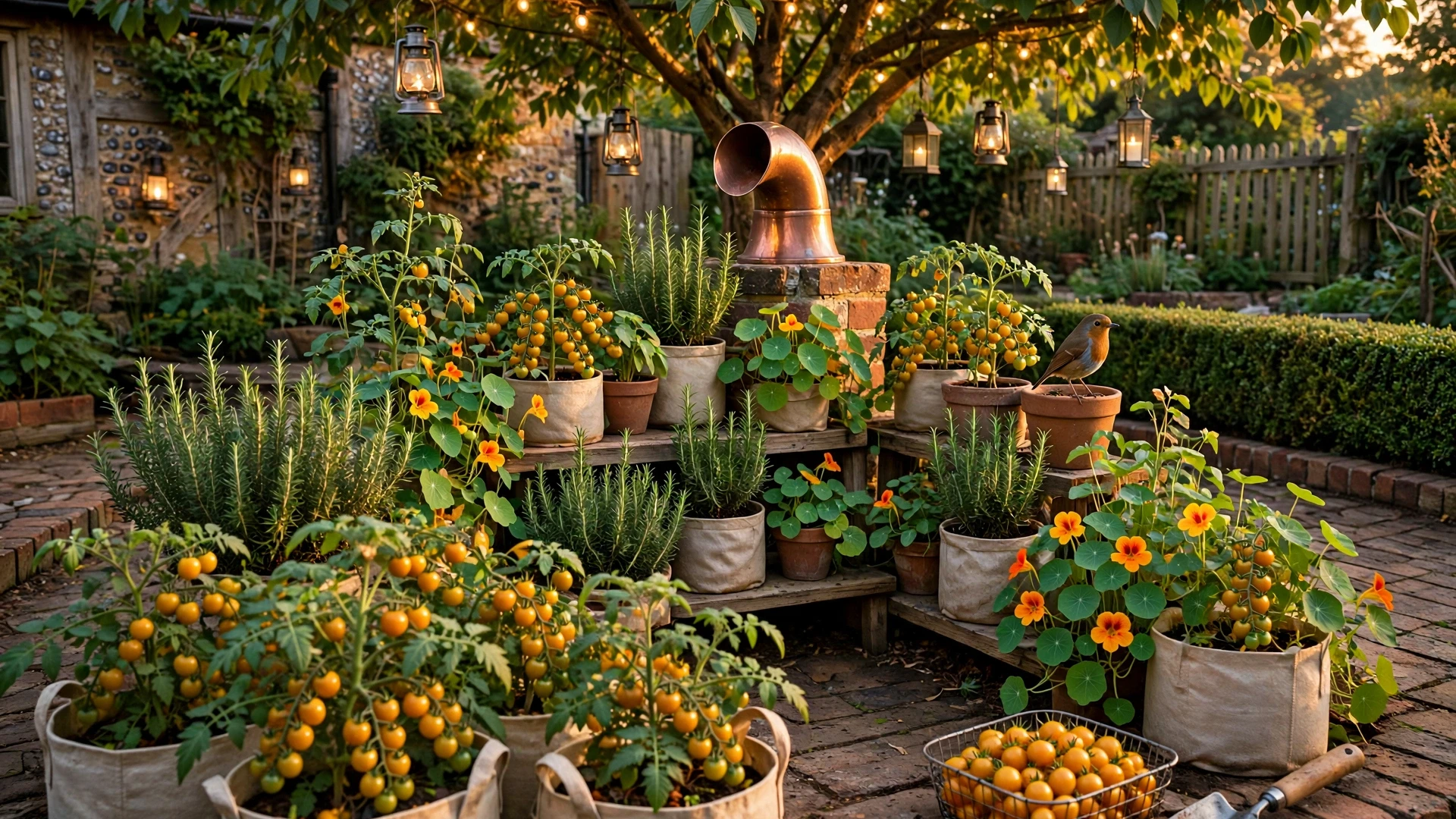
Roots need room to spread, hold water, and feed fruit, so pot size shapes the whole season more than style.
Using a 5 gallon pot serves as a minimum for one bush plant, while larger types thrive with more room.
Fabric grow bags weigh almost nothing when empty, fold flat for storage, and breathe well enough to keep roots cool.
Heavy ceramic looks fine on a patio, yet I avoid it for balconies because a watered pot strains floors badly.
Drainage holes matter most, since trapped water can sour soil, weaken roots, and invite rot in closed soil.
| Container | Best use | Weight note |
|---|---|---|
| Fabric grow bag | One bush plant | Light when empty |
| Plastic patio pot | Small cherry plant | Easy to carry |
| Resin planter | Larger bush plant | Steady in wind |
| Ceramic pot | Ground patio only | Heavy when watered |
Matching pot weight to your strength and your floor keeps moving day simple and harvests within easy reach.
In my view, fabric wins for the lightest load.
4. Chase the Sun Without Moving House
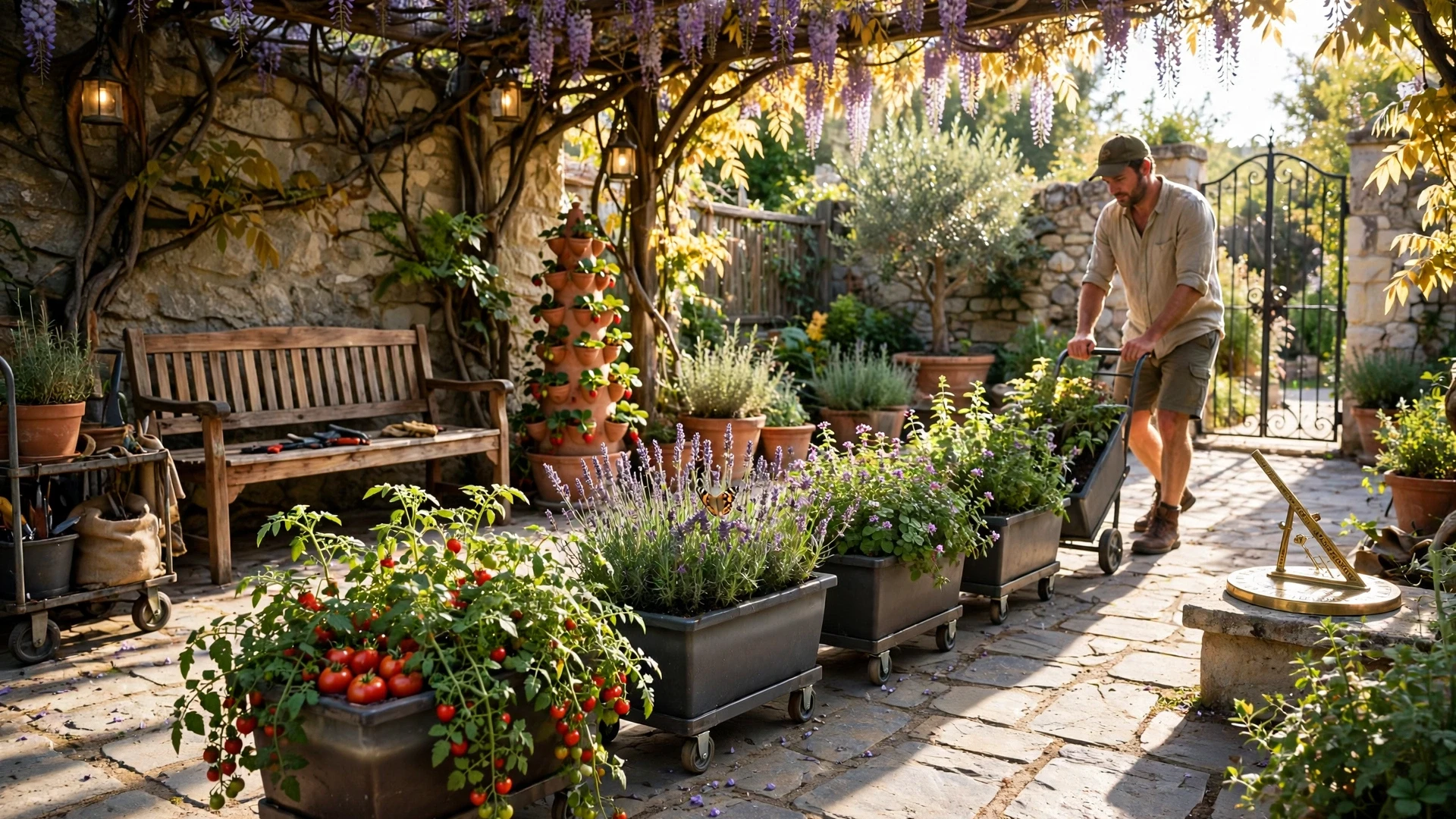
Tomatoes crave strong light, and most vegetables need at least 6 hours of sun each day to fruit well.
Watch the balcony through a full day, noting where light lands in morning, midday, and late afternoon.
Wheels under a pot let the plant follow bright patches, and I like moving mine toward morning light after breakfast.
Pale walls and light floors bounce extra glow onto leaves, which helps a shaded corner feel less dim.
If only a few hours of direct sun reach the space, cherry types cope better than large slicing types.
North facing balconies still reward patience, yet choosing a sunny rail spot gives fruit a fairer chance to ripen.
Note the sun pattern for a week, then place each pot where light stays longest through the day.
Personally, I favor morning light over harsh midday glare.
5. Support Plants With Cages That Stand Alone
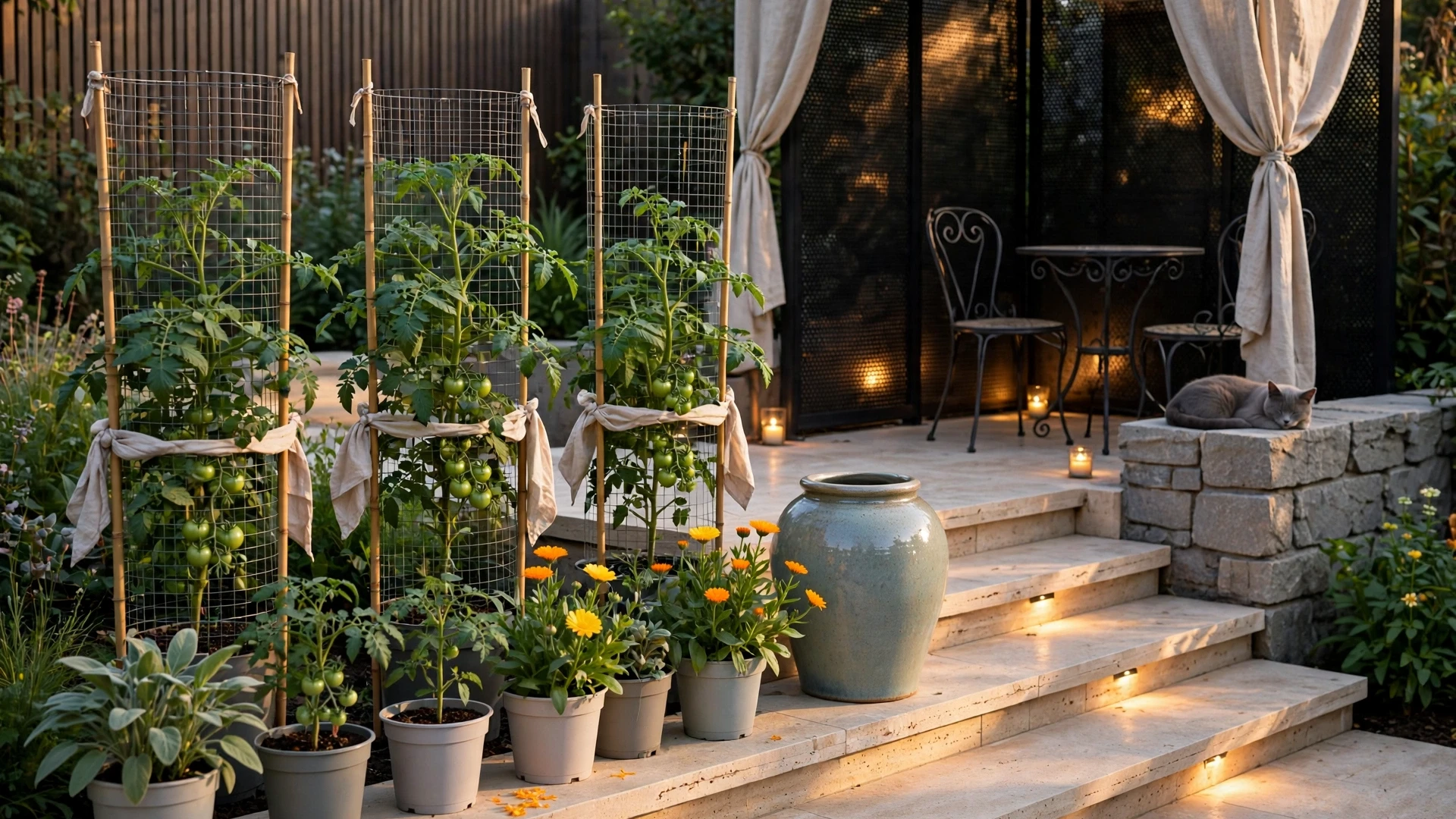
Climbing tomatoes soon need help, yet screws, nails, and wall hooks can breach a lease and risk a deposit.
Install a cage or stake at planting time, pushing it deep into the mix before roots spread around it.
Freestanding cages hold stems upright, keep fruit off damp soil, and let air move freely around leaves.
Soft ties fasten stems gently, and I prefer cloth strips because they stretch as stems thicken through summer.
Tripods made from three canes tied at the top offer a cheap, sturdy frame that folds away after harvest.
Weighted floor stands can hold one tall cherry plant beside its pot without touching any wall or rail.
Check ties weekly, loosen any that bite into stems, and replace frayed cloth before wind tests the frame.
Sturdy support keeps fruit clean, leaves dry, and the whole plant standing tall after a gusty evening.
Cages suit me best when they fit the plant, not the planter.
6. Respect Weight Limits on Balconies and Patios
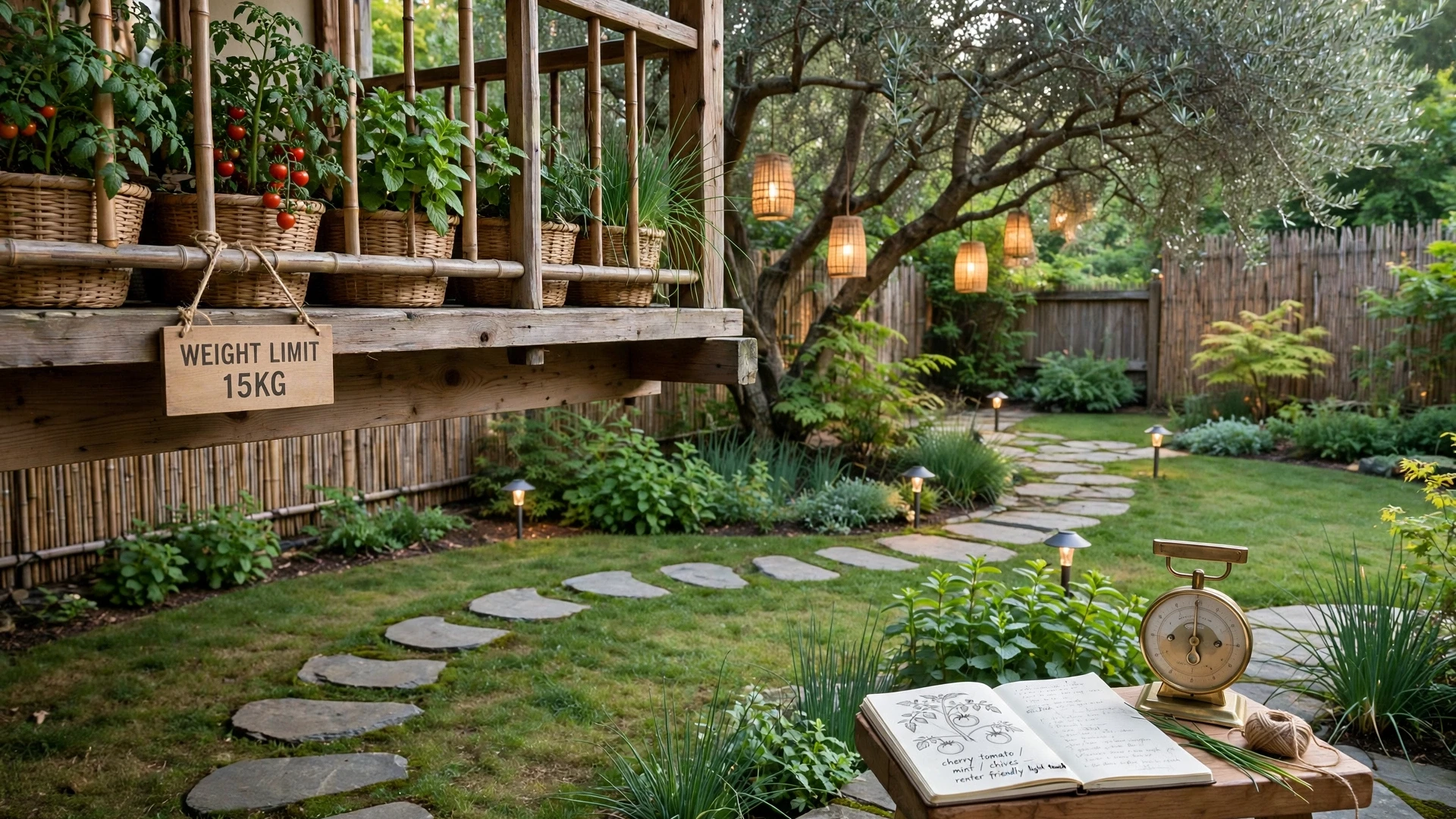
Balconies carry a load limit, so full pots can add more weight than a renter expects at first glance.
Ask the property manager for the limit in writing, since age, structure, and local rules change safe loads.
Light plastic, resin, and fabric pots cut that load sharply, and I choose them over stone or ceramic every time.
Spread pots near walls or beams where floors feel strongest, rather than crowding one weak corner with every plant.
- Place saucers under pots to catch water and protect the floor below.
- Set heavy pots low and close to the building edge for balance.
- Leave a clear path to the door so watering stays easy.
- Weigh one watered pot on scales before adding more pots.
Lighter gardens still yield plenty, and mindful placement keeps neighbors, landlords, and plants content through warm months.
Among light pots, resin is my default because it never feels heavy.
7. Water Steadily to Keep Fruit Sound
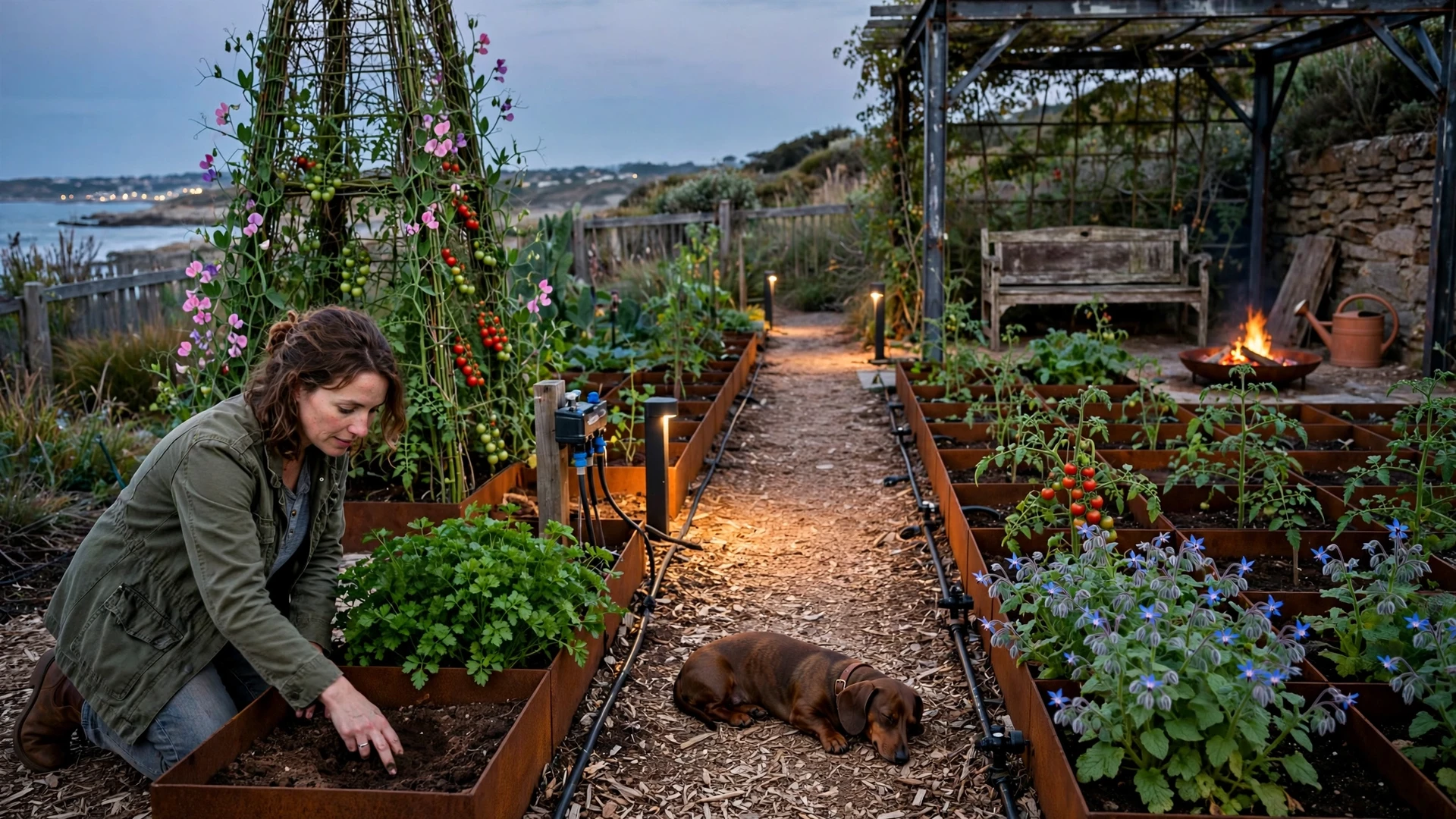
Containers dry faster than garden beds, so a tomato in a pot needs a steadier drink than one in ground.
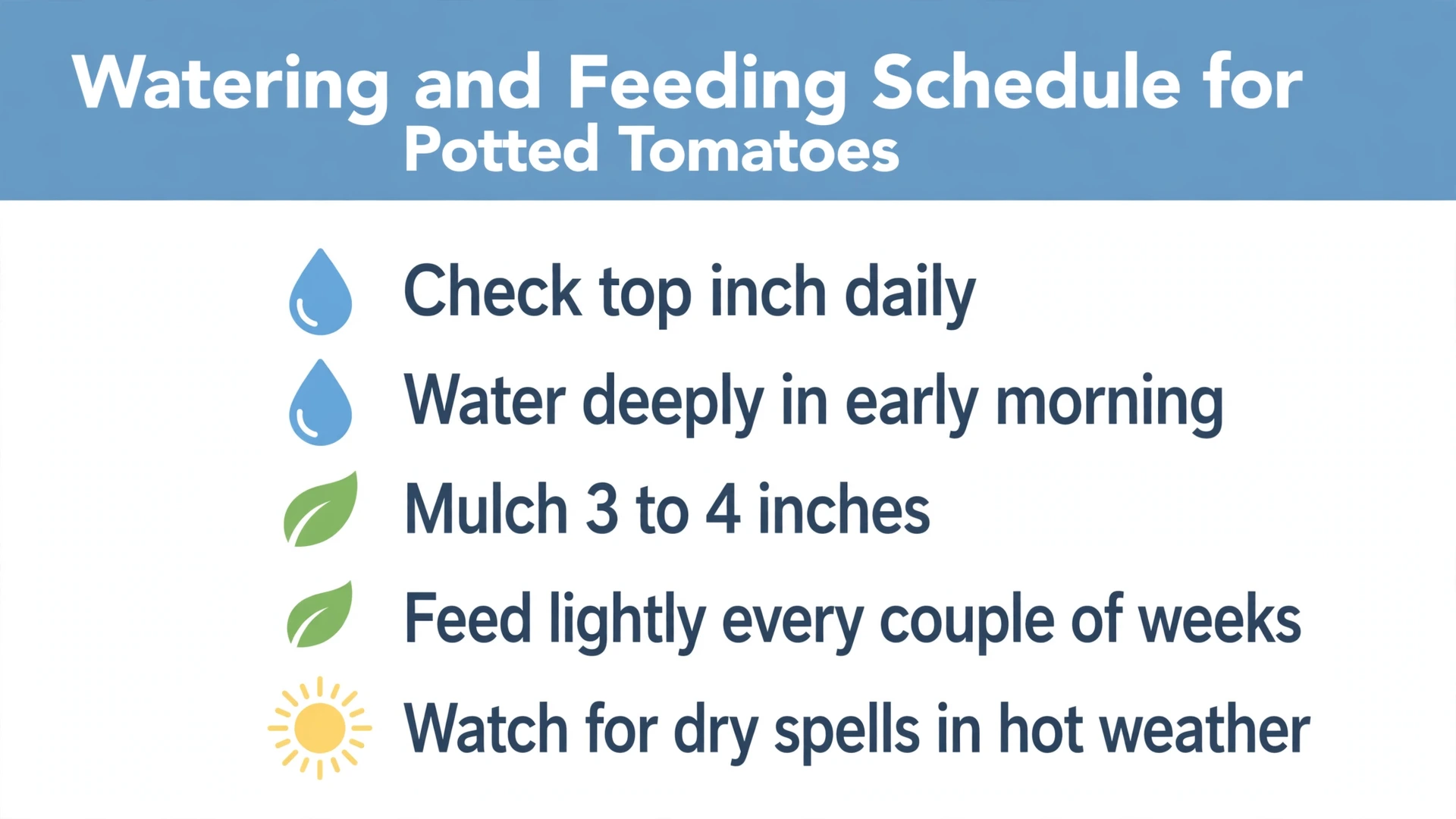
Feel the top inch of soil each morning, and water deeply when it feels dry to the touch.
Consistent moisture helps prevent blossom end rot, which appears when dry spells interrupt calcium moving into young fruit.
Water at the base in early morning, keeping leaves dry so disease finds fewer damp places to settle.
During daily checks, I follow container gardening advice for small sunny spaces from University of Minnesota Extension each week.
Mulch with straw or grass clippings to a depth of 3 to 4 inches, which slows evaporation and steadies temperature.
Avoid shallow sprinkles that wet only the surface, since roots below stay thirsty and fruit quality drops quickly.
Deep soaking once the surface dries keeps roots reaching down, and that habit rewards the plant with firmer tomatoes.
Hot afternoons may call for a second drink, yet evening watering leaves foliage damp overnight in humid air.
Straw is my mulch of choice because it keeps soil cool for days.
8. Feed Little and Often for Steady Growth
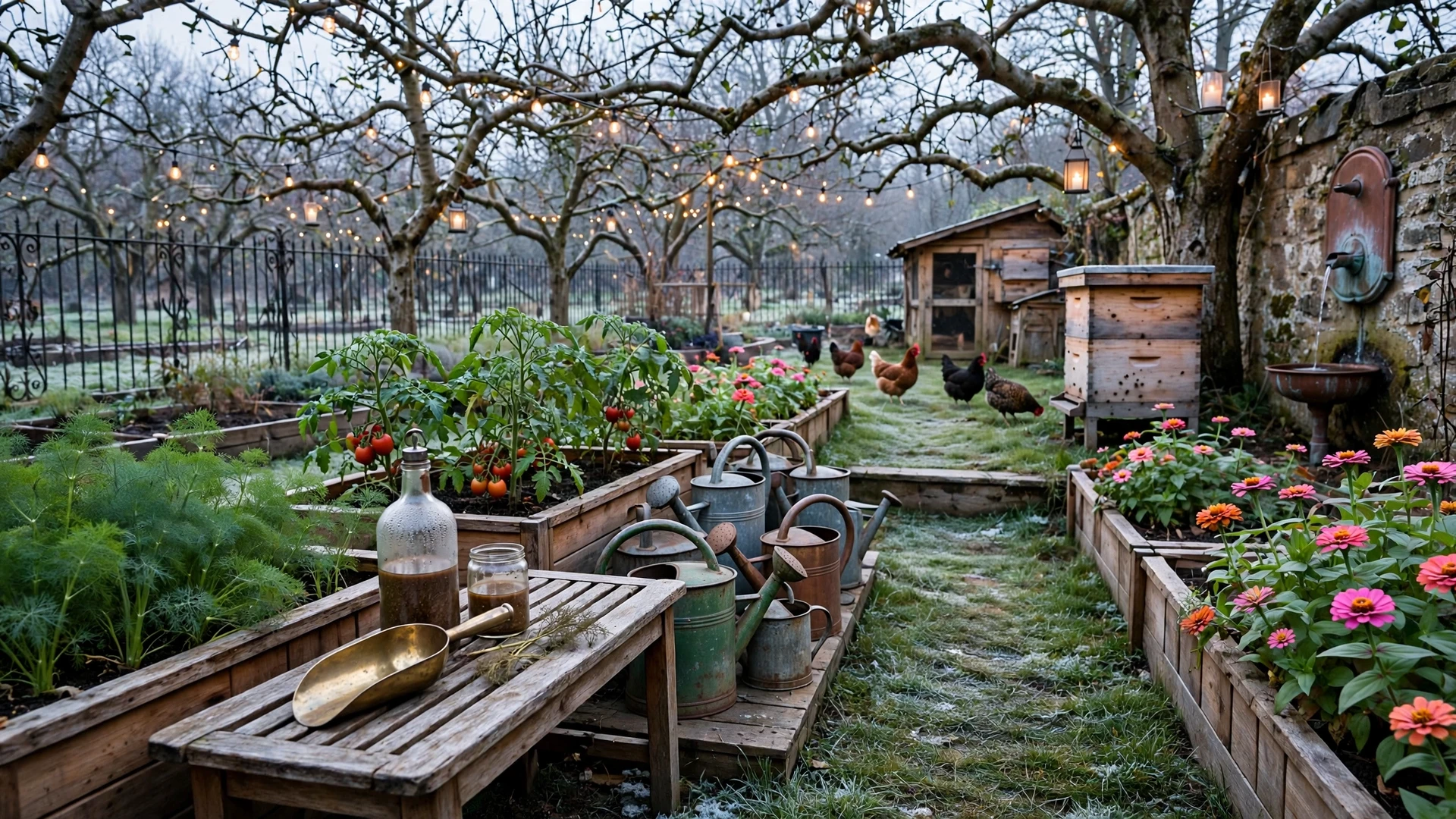
Nutrients wash out of pots with every watering, so container tomatoes hunger sooner than plants in rich garden beds.
Begin with potting mix enriched with compost, then feed lightly once flowers open and fruit begins to swell.
Slow release fertilizer feeds roots over weeks, and I find that steady supply easier than guessing with strong liquid doses.
Liquid feed every couple of weeks suits fast growth, yet always follow label rates so tender roots stay safe.
Too much nitrogen grows leafy bushes with few flowers, so balance matters more than sheer feeding power.
| Feed type | When to use | How often |
|---|---|---|
| Slow release granules | At planting time | Once per season |
| Liquid tomato feed | After first flowers | Every couple weeks |
| Compost top dressing | Mid season boost | Once per month |
Feeding gently through summer keeps leaves green, stems strong, and fruit ripening in a calm, steady rhythm.
Gentle compost feeding is my base because it is simple and kind to roots.
9. Plan a Smooth Move With Your Plants
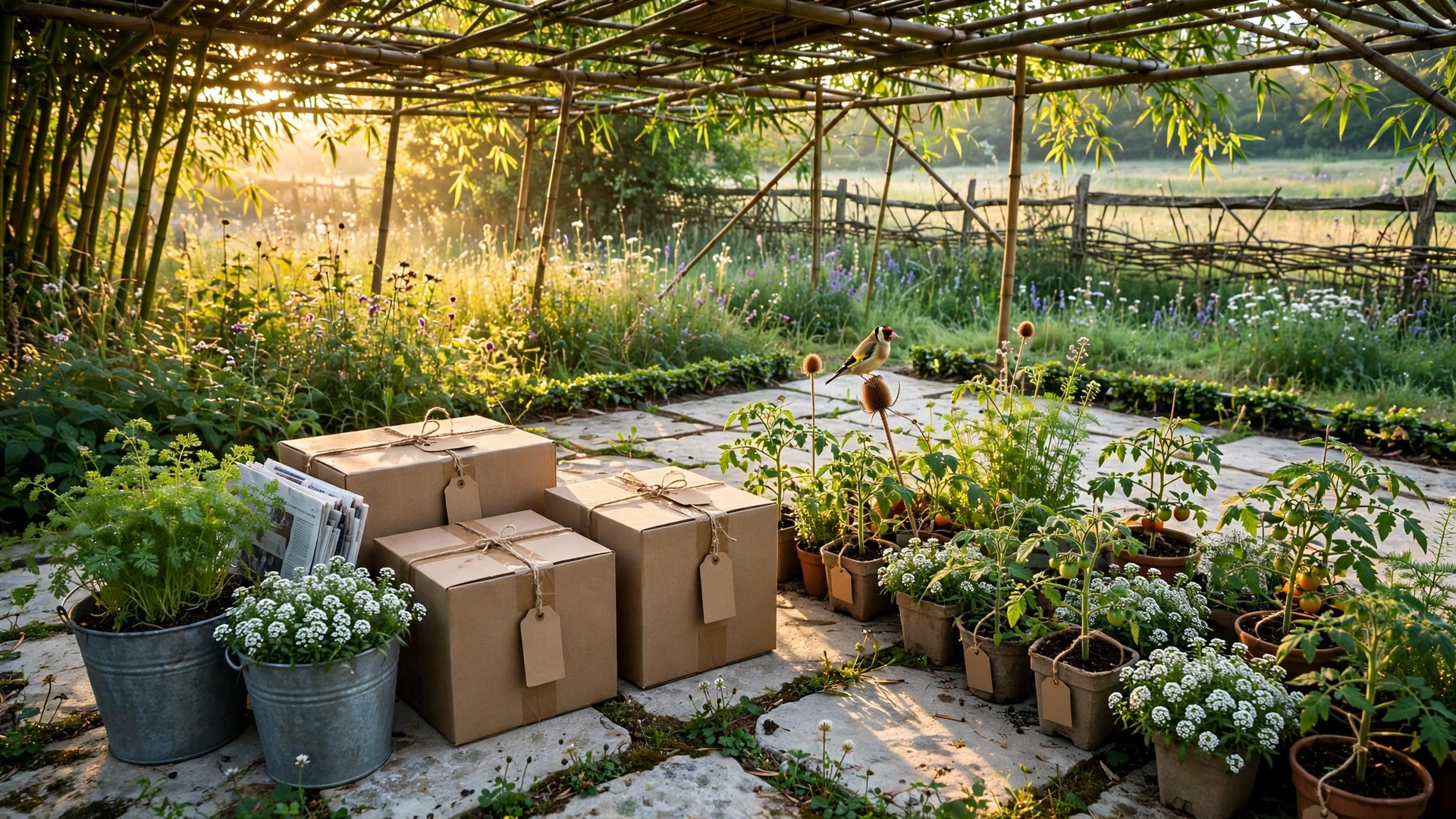
Renters move often, so a garden that travels saves months of work and keeps favorite plants in the family.
Prune long stems lightly a few days before moving, then tie loose growth so branches do not snap in transit.
Give pots water the evening before, letting soil settle damp but not heavy enough to spill during the ride.
Pack plants upright in boxes with newspaper padding, and I label each box with the variety name for quick unpacking.
At the new home, place pots in shade for a day while roots recover from the journey and light changes.
Then shift them back into full sun gradually over several days, watching leaves for signs of stress or thirst.
Carry soil, pots, and cages together in one load so the garden rebuilds fast and nothing gets left behind.
Portable gardens turn a move from a loss into a fresh start, with ripe fruit waiting at the next address.
Boxes are my choice for moving because they shield stems on the trip.
10. Keep Plants Watered While You Are Away
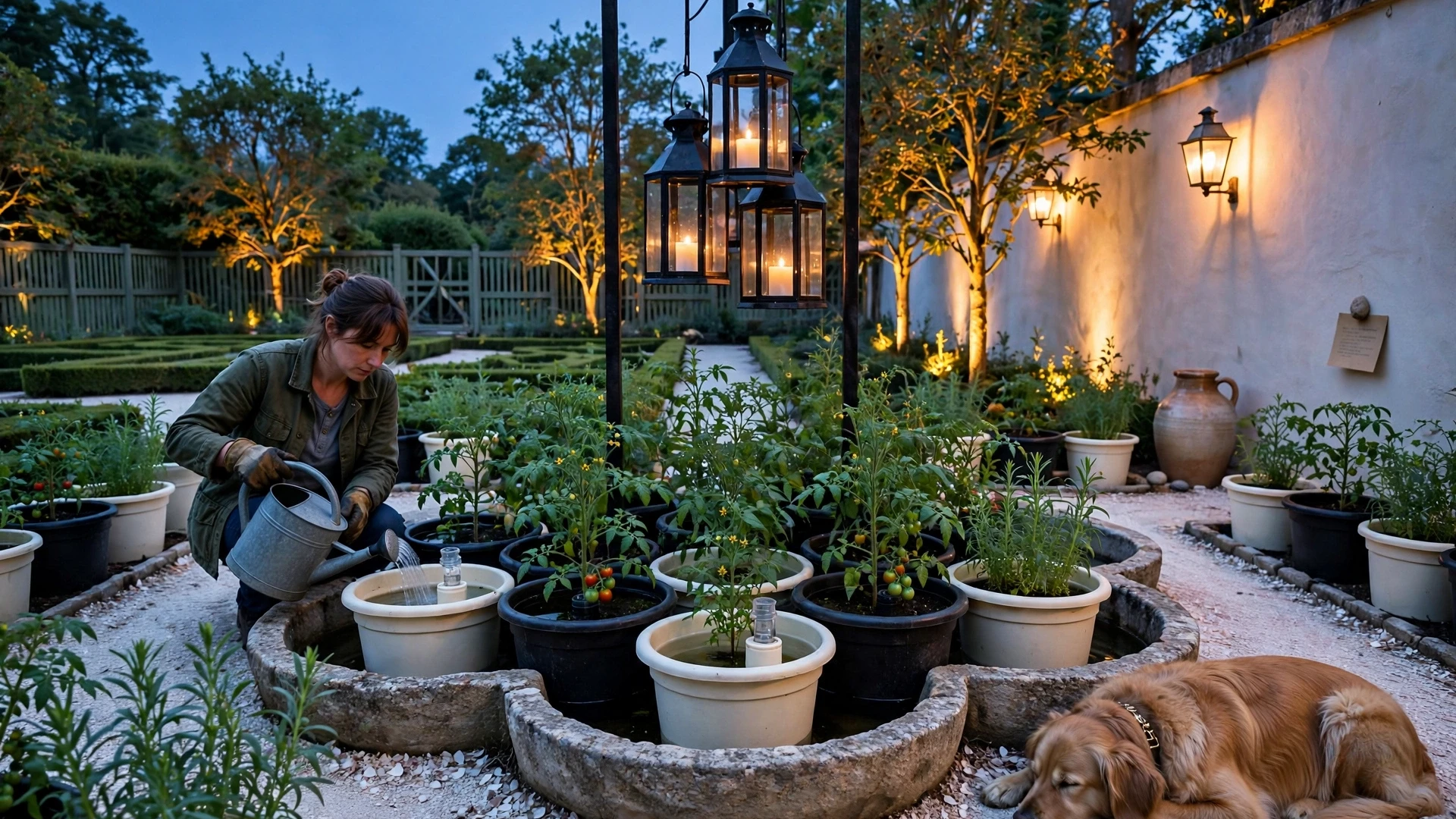
Vacations and work trips can undo weeks of care, since pots dry out fast when no one waters them daily.
Reservoir pots hold water below the soil and let roots drink slowly for several days without a hose.
Thick mulch, shade cloth, and grouping pots together slow drying, and I use all three before a long weekend away.
Invite a neighbor to water on set days, leaving a simple note that shows which pots need a deep soak.
- Fill reservoirs fully the night before departure for a slow steady supply.
- Move pots into soft morning sun and afternoon shade to cut heat stress.
- Pick ripe fruit before leaving so plants put energy into fresh new growth.
Returning to green leaves and swelling fruit feels like a welcome home gift after time spent elsewhere.
Neighbors with a spare key are my best vacation plan.
A Small Pot Garden Can Travel With You
Simple pots, compact plants, and steady care prove that renting need not mean waiting years for homegrown summer harvests.
Try one plant first, learn its light and thirst, and let each season build confidence in your own small space.
Your next home can welcome the same pots, the same plants, and the same joy at the table.
One pot can turn a plain rental green, and I love the change.